
How to Maintain a Wood Deck for Lasting Outdoor Appeal
For homeowners who value their outdoor living space, learning how to maintain a wood deck is an essential part of responsible upkeep. A well-maintained deck doesn’t just look better, it lasts longer, feels safer, and serves your family well through every season. Whether you’ve had your deck for years or recently built a new one, consistent maintenance protects your investment and enhances your time outdoors.
This guide offers a complete, practical approach to deck care helping you clean, repair, stain, seal, and inspect your space year-round. Let’s take a closer look at what it takes to preserve the life of your wooden structure.
Your Roadmap to a Stronger, Longer-Lasting Deck
Why Ongoing Deck Maintenance Is Non-Negotiable
Signs Your Deck Needs Attention
The Foundation of Every Maintenance Routine
Addressing Repairs
One of the Most Important Steps
Sealing for Long-Term Protection
What a Year-Round Deck Maintenance Routine Looks Like
When It’s Time to Bring In the Pros
Creating a Space That Stays Beautiful Year After Year
Why Ongoing Deck Maintenance Is Non-Negotiable
Your deck weathers more than just storms. Heat, humidity, UV rays, foot traffic, fallen leaves, and furniture all take a toll. Over time, the surface may lose its finish, absorb moisture, or become rough and splintered. These changes can lead to more serious concerns like warped boards or unstable railings.
Routine maintenance acts as a buffer against wear and tear. With the right approach, your deck remains a place of comfort and style rather than a source of frustration. This kind of upkeep is especially important in regions like Maryland, where seasonal changes are significant and exposure is year-round.
Signs Your Deck Needs Attention
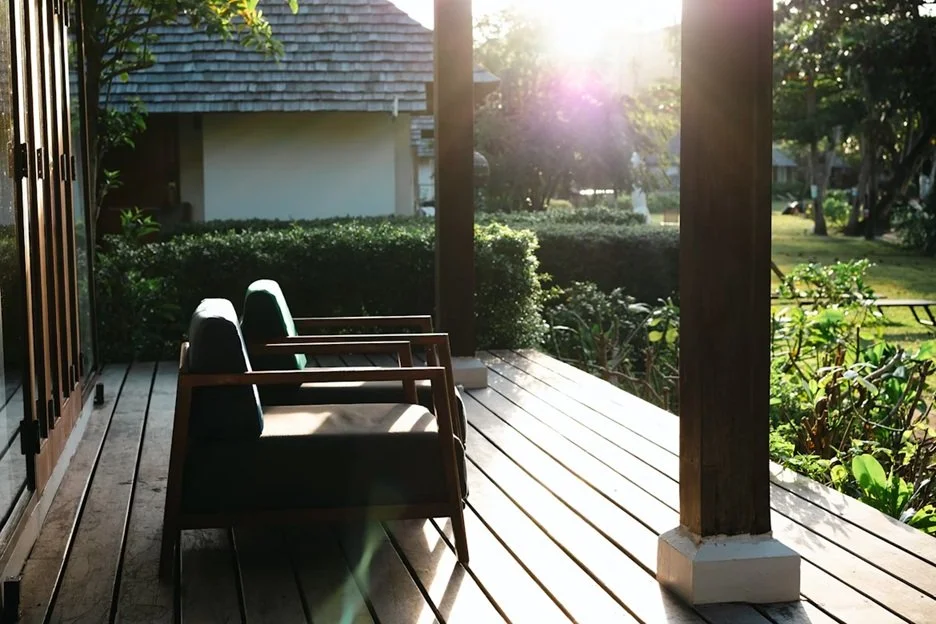
Every deck tells a story, but you have to know where to look. Start by walking the entire surface. Listen for squeaks, check for wobbly boards or loose railings, and pay attention to color inconsistencies or areas that look unusually faded.
Look beneath the deck if possible, joists and support posts can give you hints about deeper structural health. If you see standing water, signs of pest damage, or significant discoloration, you’ll want to plan more than just a surface cleaning.
The Foundation of Every Maintenance Routine
Cleaning might seem simple, but it’s the most important first step in preserving your outdoor space. Dirt, algae, and organic residue accumulate gradually, dulling the wood’s color and making the surface slippery underfoot. Tackling this buildup early prevents long-term surface damage and helps keep your deck looking fresh and safe to use.
Choose a cleaner specifically formulated for wood decking materials. Products made for exterior use are designed to lift grime without harming the natural fibers. General-purpose bleaches or harsh detergents should be avoided, as they can dry out the wood, weaken structural integrity, and cause fading that’s hard to reverse.
Before starting, remove all outdoor furniture, rugs, and plants to create an open workspace. Give the entire surface a thorough sweep to clear away leaves and debris. Use a garden hose or a low-pressure washer to gently rinse the area, keeping pressure even to avoid gouging softer woods like cedar or pine.
Once rinsed, apply the wood deck cleaner evenly with a brush or garden sprayer. Let it sit for the recommended time to break down dirt and residue. Then, using a stiff-bristle brush, scrub along the wood grain with steady strokes. This helps lift embedded dirt and prepares the surface for sealing or staining later on.
Rinse thoroughly with clean water to ensure no product remains. Residue left behind can interfere with stain or sealant adherence and may attract dirt faster. If you're learning how to maintain a wood deck, a spotless surface is essential before moving on to repairs or refinishing.
When done right, this cleaning routine revives the look of your deck and lays the foundation for everything else that follows. Annual cleaning is one of the most effective ways to extend your deck’s life and maintain its natural beauty.
Addressing Repairs
After cleaning, make sure the deck is completely dry before beginning any repairs. Here’s how to identify and address common structural and surface issues:
Replace damaged boards:
If you notice any boards that feel soft, spongy, or crack under pressure, they should be replaced. Be sure to use the same wood species and dimensions to keep the deck’s appearance and integrity consistent.Check and update fasteners:
Tighten any loose screws or nails. If you find rusted or corroded hardware, replace it with stainless steel or coated fasteners, which provide better long-term resistance to weather.Inspect high-traffic areas:
Focus on stairs, railings, and entry points these areas often wear down first. Loose rails or shaky stair treads can be a safety concern and should be reinforced or replaced.Sand where needed:
If the deck surface feels rough or shows signs of splintering, sanding is a quick way to restore comfort and safety. Start with medium-grit sandpaper and finish with fine-grit to smooth the surface and prepare it for staining.Level uneven boards:
Warped or cupped boards may need to be reattached with new fasteners or replaced entirely if they pose a tripping hazard or disrupt drainage.
Making these small structural updates is an important step when learning how to maintain a wood deck. Each repair contributes to the deck’s longevity, usability, and overall appearance.
One of the Most Important Steps
Knowing when and how to stain a deck can be the difference between a surface that looks good for two years and one that lasts five or more. After cleaning and repairs, wait for a stretch of dry weather. The deck should be dry for at least 48 hours to ensure proper absorption.
Choose a stain based on your style preferences and the level of protection you want. Transparent stains showcase wood grain but offer the least UV protection. Semi-transparent options provide a balance, while solid stains offer maximum defense at the cost of hiding the natural look of the wood.
Apply stain using a brush, roller, or applicator pad. Work in the direction of the grain and be sure to avoid puddles. If the wood isn’t absorbing the stain evenly, consider applying a second thin coat after the first one dries fully. Many homeowners researching how to maintain a wood deck find this stage to be where patience pays off, rushing can lead to uneven finishes or peeling.
Sealing for Long-Term Protection
Sealing adds another level of moisture resistance. Some stains include built-in sealers, but others may require a separate step. This is particularly helpful for decks that get full sun or are near water features where humidity levels are higher.
A good sealer penetrates the wood and creates a barrier against moisture. Apply it in the same way as stain, following the grain and avoiding overapplication. Always check that your sealer is compatible with the stain you’ve used to prevent peeling or blotching.
What a Year-Round Deck Maintenance Routine Looks Like
Keeping your deck in shape isn’t a one-time task. With Maryland’s changing seasons, your wooden deck benefits from different types of care throughout the year.
In spring, begin with a thorough inspection followed by cleaning. This is the ideal time to restain or reseal if needed. During summer, focus on weekly upkeep like sweeping and spot-cleaning. Fall is about prevention removing leaves, checking drainage, and preparing the surface for winter. Once snow hits, use a plastic shovel to avoid scratches and sweep off accumulation before it turns to ice.
Each of these tasks extends your deck’s lifespan and makes future maintenance easier.
When It’s Time to Bring In the Pros
While many parts of deck care can be handled on your own, some situations call for expert help. If your deck has uneven settling, widespread damage, or needs a full resurfacing, working with experienced professionals makes a major difference.
Hiring specialists means precision tools, high-performance finishes, and experienced hands that know how to treat your deck’s exact species and structure. They’ll also ensure safety codes are met, and small issues don’t escalate into larger repairs.
While many homeowners handle basic cleaning or spot repairs, getting cleaning, staining, sealing, and seasonal checks done properly by a professional can significantly extend your deck’s lifespan. Pros not only use the right tools and materials but also understand how different wood types react to weather, finishes, and time. When done right, this level of care makes your deck more resilient, safer, and better looking year after year.
Looking for seasoned guidance? Reach out to deck builders in Laurel or browse trusted deck builders in your area who can assess and service your deck with care tailored to your needs.
Creating a Space That Stays Beautiful Year After Year
Understanding how to maintain a wood deck means more than keeping it, clean, it’s about establishing smart routines that protect the materials and structure through changing seasons. From inspecting fasteners to applying the right sealant, each step you take adds value and extends the life of your deck. Maintenance isn’t just reactive; it’s preventative care that keeps small issues from becoming major repairs down the line.
With a little planning, seasonal upkeep can become second nature. Cleaning in spring, sealing in summer, clearing debris in fall, and monitoring moisture in winter, all these efforts combine to support a deck that stays strong and looks great year after year. Bringing in professionals occasionally ensures each job is done right, using the right products and techniques for your specific wood type and conditions.
A wooden deck isn’t just a structure; it’s a setting for everyday moments and lasting memories. Whether it’s a morning coffee, a weekend gathering, or a quiet evening outdoors, a well-maintained deck is ready for whatever you have planned. Keeping it in excellent condition helps preserve not just the wood, but the experiences built on it season after season.