
What Is a Composite Deck and Why Homeowners Choose It
If you have ever wondered what is a composite deck, you are not alone. As more homeowners look for outdoor living options that combine beauty with low maintenance, composite decking has surged in popularity. This guide breaks down what a composite deck is, how it differs from traditional wood, and why so many people are choosing this deck option for their homes.
Outdoor spaces are an extension of your living area. A deck should be inviting, functional, and durable throughout the seasons. To understand whether composite decking fits your needs, it helps to explore its composition, performance, and real‑world benefits.
Below, you’ll find an outline of key topics we’ll cover to help you make an informed decision about adding or upgrading a deck.
Explore the Composite Decking Topics Ahead
The core components of composite decking
How composite decking material compares to wood
Surface performance in different climates
Maintenance and long‑term care
Common myths about composite decking
Why professional installation matters
Frequently asked questions about composite decks
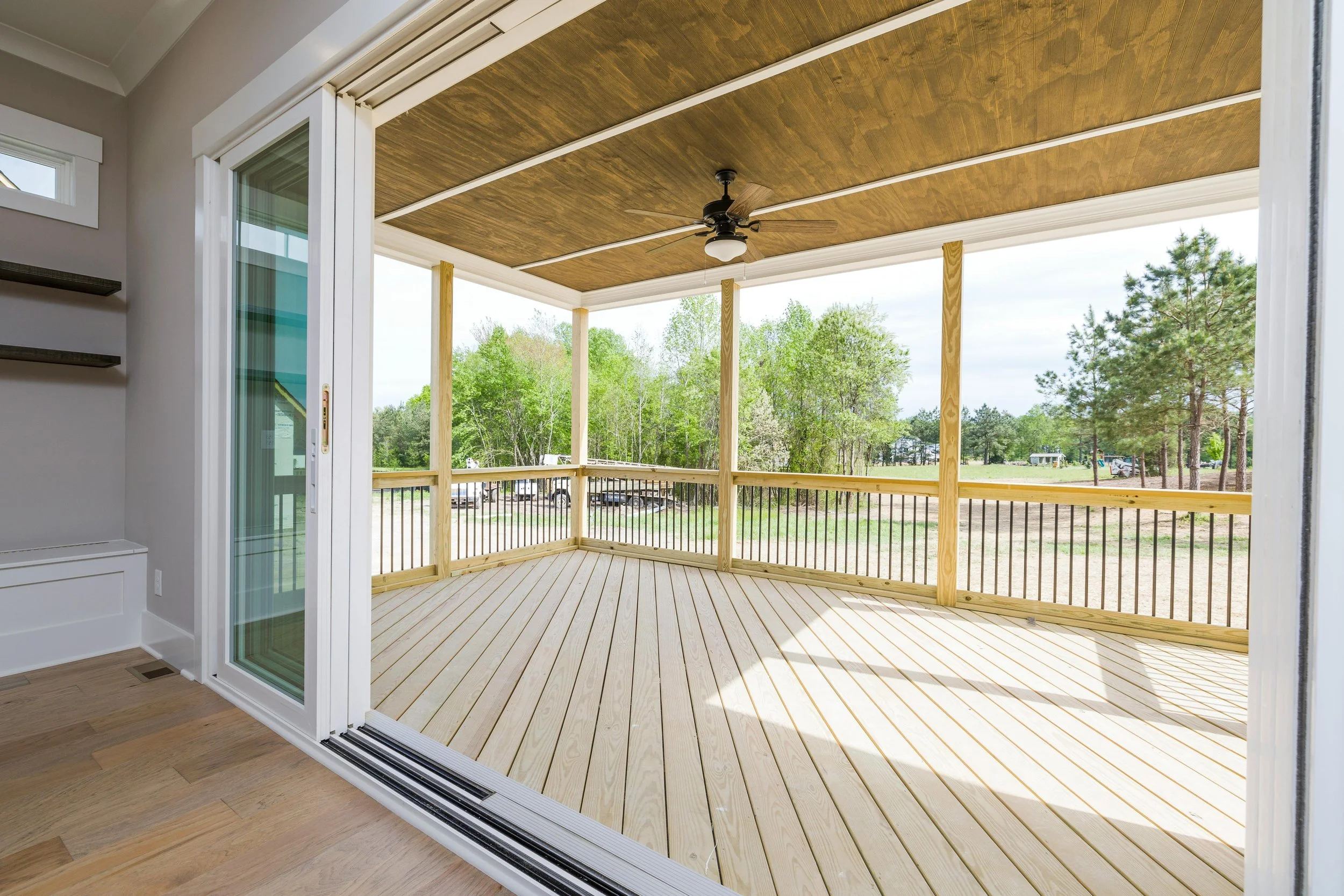
What Composite Decking Is Made Of
At its core, composite decking is a manufactured wood substitute designed to take the place of traditional lumber. Rather than being cut directly from a tree, it’s a blend of two major components:
Wood fibers: These provide texture and a natural appearance.
Plastic polymers: These contribute strength and resistance to moisture.
Manufacturers fuse these materials under heat and pressure to create boards that mimic the warmth of wood grain without many of wood’s drawbacks. Some high‑end composite decking materials also include protective outer shells that further increase resistance to weather and wear.
This engineered combination makes composite decking material more stable than wood alone. It resists changes in shape due to moisture and temperature swings.
Composite Decking vs. Traditional Wood Decking
Composite decking vs. traditional wood decking is a comparison many homeowners explore when planning a new outdoor space. Wood is often the initial choice because it’s familiar and may appear more affordable upfront.
However, there are significant distinctions between the materials that go beyond cost. In terms of appearance, wood delivers a timeless, natural charm that appeals to many. Still, composite decks have advanced dramatically in visual design. Today, they are available in a wide range of colors and realistic grain patterns that closely replicate the look of wood.
For some, the uniformity and sleek finish of composite boards are preferred, while others lean toward the unique, varied characteristics that come with natural wood. When it comes to longevity, composite decking tends to outperform wood. Thanks to its engineered composition, it resists warping, splintering, and cracking.
The integration of plastic stabilizers helps the boards maintain shape and strength across different climates, with far less maintenance required over time. Another critical difference lies in how each material responds to environmental exposure. Wood decking must be sealed and stained on a regular basis to resist moisture and prevent insect damage.
Composite boards, on the other hand, are specifically designed to handle challenging outdoor conditions. They resist rot when exposed to moisture, are not vulnerable to insect infestation, and hold their color longer under UV light.
These features make what is a composite deck answer a practical and reliable option for homeowners in regions with varying weather patterns.
How Composite Decks Perform Throughout the Year
One of the most common questions about composite decks is how they handle heat, cold, rain, and sun. Because composite decking contains plastic, it handles environmental stress differently from wood.
In Hot Weather
Composite boards can become warm to the touch in direct sunlight—similar to wood. However, they won’t dry out and crack the way untreated wood can. Many modern boards also include UV inhibitors to minimize fading over time.
In Cold Weather
Unlike wood, which can absorb moisture and expand or contract with freeze‑thaw cycles, composite decking tends to remain stable. This stability reduces the risk of surface splitting or structural warping.
After Rain or Snow
Composite material resists moisture absorption, which means it’s less prone to issues such as swelling or rot. Proper installation that accounts for drainage further helps water move away from the deck surface.
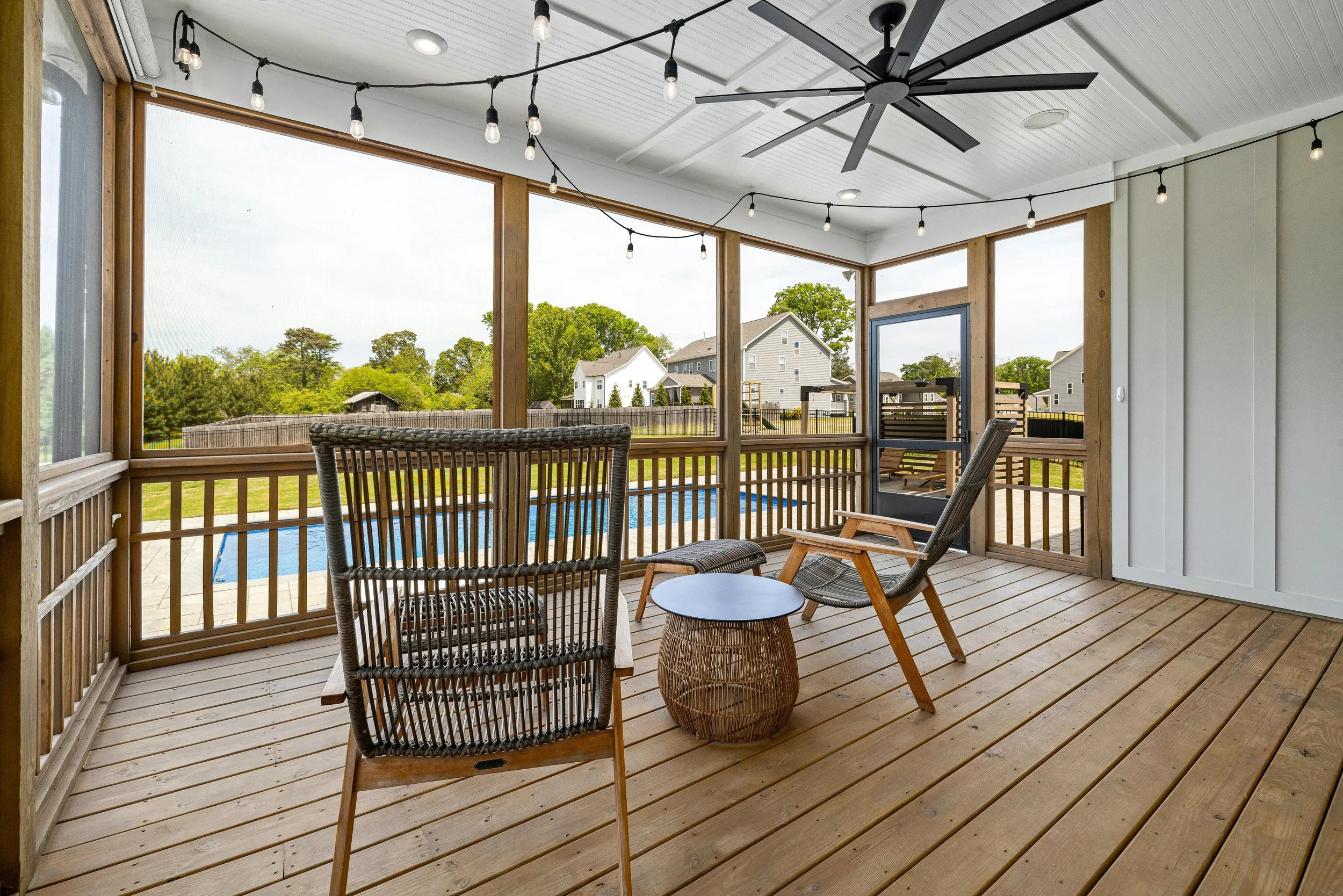
Caring for Your Composite Deck
One of the biggest reasons homeowners choose composite decking is its low maintenance. While wood often requires sanding, staining, and sealing every few years, composite decks usually ask for much less.
Basic care for a composite deck typically includes:
Regular sweeping to remove debris
Occasional washing with mild detergent and water
Prompt cleanup of spills to avoid staining
Unlike wood, composite decks won’t need annual refinishing to maintain performance. That said, proper care will help your deck look its best for years.
Dispelling Common Misconceptions
Dispelling common misconceptions about what is a composite deck is essential for homeowners trying to make informed choices. One frequent myth is that composite decks look artificial. While early versions may have lacked visual appeal, today’s composite boards are designed with realistic grain patterns, varied tones, and textured finishes that closely mimic the look of natural wood.
Many homeowners now choose composite specifically for its refined, high-end appearance that stands alongside premium lumber in aesthetic quality. Another misconception is that composite decking becomes too hot to walk on during summer. While it's true that composite materials can warm under direct sunlight, this characteristic is not unique most decking surfaces, including wood, absorb heat.
The key is thoughtful design. Selecting lighter-colored boards and incorporating shaded areas like pergolas or umbrellas can significantly reduce surface temperature and maintain comfort. Some also believe that composite decks have a shorter lifespan than wood, but the opposite is often true. High-quality composite decking is engineered for durability, with a typical service life of 25 years or more when installed correctly and cared for properly.
It resists many of the issues that shorten wood’s lifespan, such as warping, insect damage, and moisture retention. In reality, a well-built composite deck can match or even outlast its wooden counterpart.
Maximizing Performance with Professional Installation
Even the best composite decking material won’t perform well if installed incorrectly. Precision during installation affects everything from drainage to board spacing and long‑term stability.
Experienced professionals will:
Ensure proper board spacing to accommodate expansion and contraction
Install supportive framing to minimize bounce or movement
Plan for adequate airflow underneath to prevent trapped moisture
Follow manufacturer guidelines to maintain warranty coverage
Hiring qualified specialists such as reputable deck contractors in Glen Burnie ensures your decking system is built right the first time.
Similarly, if you are located elsewhere in Maryland, teams like these deck contractors in Columbia bring expertise that can help your project avoid costly mistakes and deliver long‑lasting enjoyment.
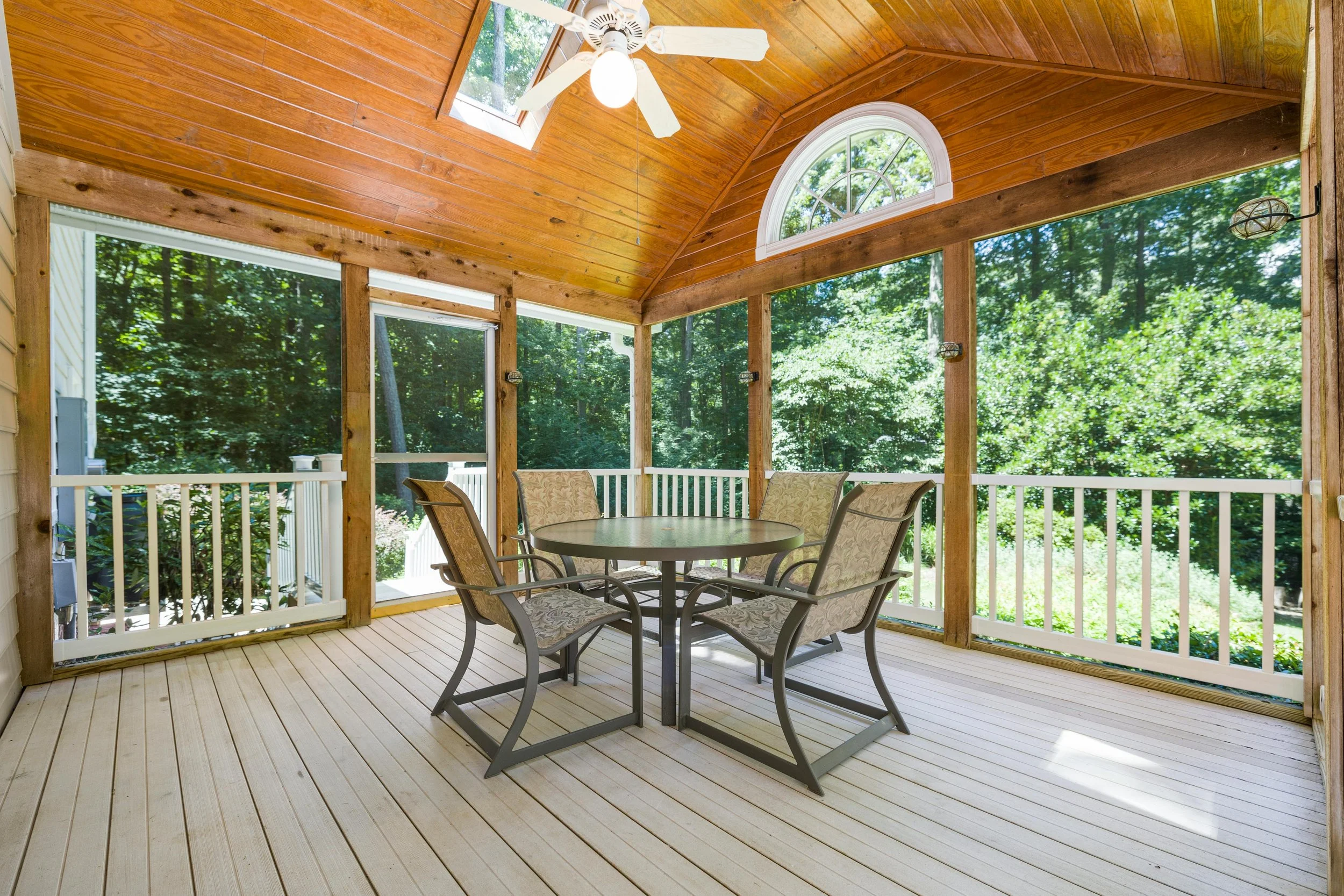
What Impacts Deck Costs
While this post does not include specific pricing, it’s helpful to know what factors influence the investment in a composite deck:
Deck size and shape: Larger, more complex designs require more material and labor.
Material grade: Higher‑end composite boards often have advanced coatings and richer coloring.
Site preparation: Terrain, grading, and access can affect installation time.
Add‑ons: Features like built‑in seating, railings, or lighting increase both material and labor needs.
Because these variables differ from one home to another, asking your contractor for a custom quote ensures you get accurate information tailored to your project goals.
Answers to Common Questions About Composite Decks
How long do composite decks last?
With quality materials and professional installation, a composite deck can last decades with minimal upkeep.
Do composite decks fade?
All outdoor surfaces fade over time, but many composite boards include UV protection to slow color loss.
Are composite decks slippery when wet?
Some textures offer better traction than others. Discuss slip resistance with your installer to match your climate and usage.
Can I install composite decking myself?
While some homeowners choose DIY, professional installation is recommended for optimal spacing, drainage, and warranty compliance.
What Is a Composite Deck and Why It Matters for Your Outdoor Living Plans
What is a composite deck, and why should homeowners consider it when planning a new outdoor space? Understanding this innovative material gives you an edge when selecting products and professionals for your deck project.
Whether you’re designing your first outdoor area or replacing an old wooden structure, learning how composite decking performs and what influences its lifespan empowers you to make informed, long-lasting decisions for your home. Connect with experienced local deck builders to guide you through the process and deliver a quote customized to your vision.