
How to Clean Composite Decking and Maintain a Consistent Outdoor Surface Over Time
Composite decking is often chosen because it balances durability with reduced upkeep. It does not splinter, it resists many of the problems associated with traditional lumber, and it holds its shape well through seasonal changes. However, none of those advantages eliminate the need for regular care. Knowing how to clean composite decking properly is one of the most important factors in how well it ages and how comfortable it remains to use year after year.
Outdoor decks are constantly exposed to elements that cannot be controlled. Dust settles from the air, pollen drifts in seasonally, and everyday foot traffic introduces grit that slowly works its way into the surface texture. Over time, these factors affect appearance and traction, even when the deck itself is structurally sound. This guide explains what causes those changes, how to clean composite decking without damaging it, and how cleaning fits into broader deck maintenance rather than being treated as an occasional fix.
Homeowners often hear about maintenance expectations during installation. Professionals who design and build outdoor spaces, including experienced deck builders in Severna Park, regularly explain that composite decking performs best when cleaning becomes part of a routine rather than a reaction to visible buildup. Understanding that distinction sets the foundation for long term results.
What this article explores
How composite decking interacts with the outdoor environment
Why composite decks still need regular cleaning
What causes composite decking to look worn or uneven
Everyday habits that reduce heavy cleaning
Tools that are appropriate for composite decking
Cleaning products and how to choose them
A practical and repeatable cleaning process
How seasonal changes affect cleaning frequency
Addressing stubborn areas without damaging the surface
Pressure washing and why restraint matters
Cleaning as one part of overall deck maintenance
When professional cleaning makes sense
A long term perspective on composite deck care
How Composite Decking Interacts With the Outdoor Environment
Composite decking is manufactured from a blend of wood fibers and synthetic materials. This combination creates boards that resist many forms of deterioration that affect traditional wood. However, the surface is intentionally textured to improve traction and appearance. That texture plays a major role in how dirt and debris behave on the deck.
Fine particles from the air gradually settle into the surface pattern. Rain may rinse away some loose material, but it also carries new debris onto the deck. Sun exposure and shade influence how quickly the surface dries, which affects how long residue stays in contact with the boards.
One important detail is that composite decking rarely looks dirty overnight. Changes happen slowly. A thin film forms over weeks or months, often evenly across large areas. Because the change is gradual, it is easy to overlook until the deck begins to look dull or feels less secure underfoot.
Understanding this slow progression explains why consistent cleaning is more effective than waiting until problems become obvious.
Why Composite Decks Still Need Regular Cleaning
Homeowners often first learn about composite deck care during the planning or installation phase. Discussions at this stage usually focus on layout, materials, and how the deck will be used, but they also shape expectations about long term upkeep. Professionals who work closely with outdoor materials understand that maintenance outcomes are influenced as much by environment and usage as by the boards themselves. That is why early guidance can have a lasting impact on how well a deck performs over time.
Builders with hands-on experience in specific regions frequently point out patterns they see across many projects. Conversations with experienced deck builders in Severna Park often highlight how factors such as surrounding trees, sun exposure, and household routines affect cleaning needs. Decks that receive consistent, light care tend to retain a more uniform appearance, while those cleaned only when problems become visible often require more effort to restore.
Understanding these observations helps homeowners approach composite decking with realistic expectations. Rather than assuming the material should remain unchanged without attention, they can view cleaning and deck maintenance as simple, manageable habits that support long term performance. This perspective encourages proactive care and reduces frustration later, making the deck easier to enjoy throughout its lifespan.
What Causes Composite Decking to Look Worn or Uneven
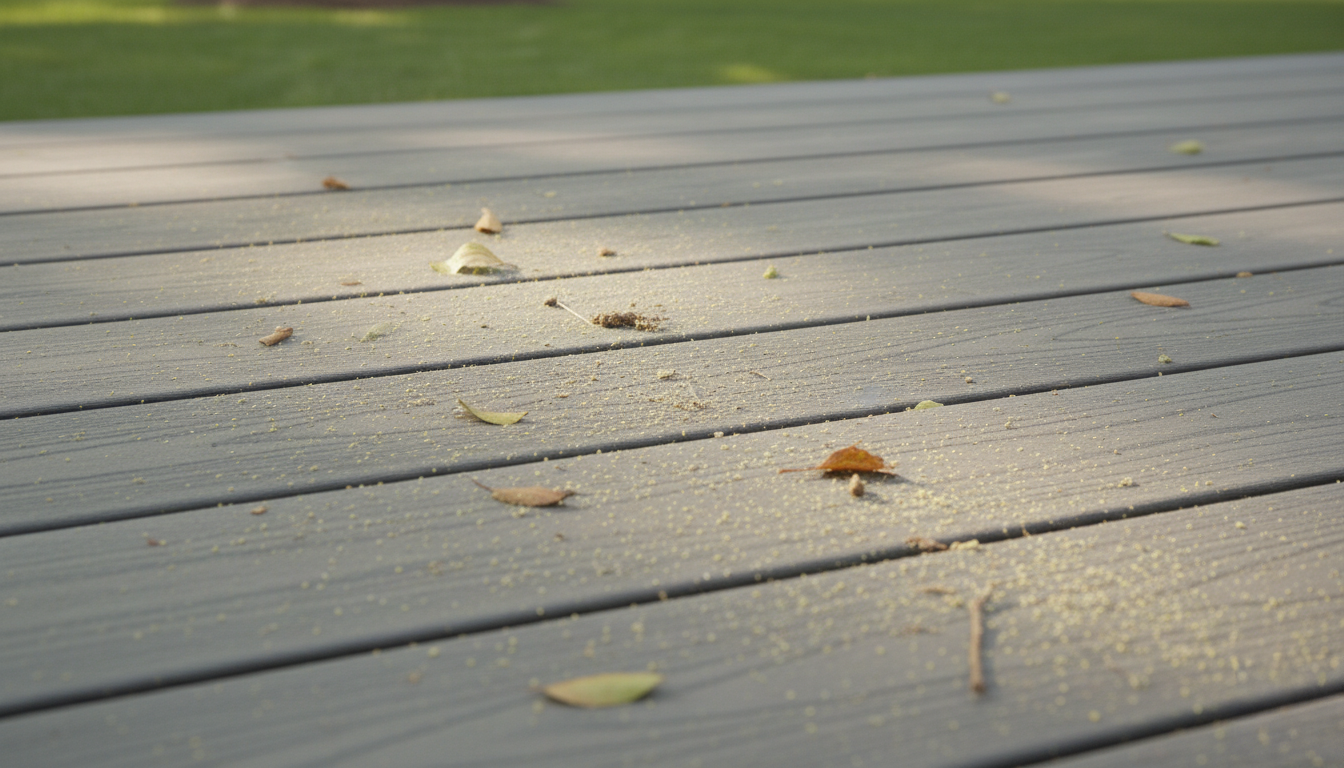
Most changes in the appearance of composite decking are not the result of damage or poor installation. They are typically caused by everyday exposure that occurs gradually and often goes unnoticed until the surface begins to look less consistent. Because composite boards are designed with texture for traction and visual depth, they naturally interact with their surroundings in ways that differ from smooth indoor flooring. Over time, this interaction can create subtle variations in color and finish that are often mistaken for wear.
Airborne dust and seasonal pollen settle across the deck in thin layers, dulling the surface without creating obvious buildup. This effect is especially noticeable in areas that receive less direct rain or airflow. Foot traffic adds another layer of impact, as small particles of soil and grit are carried onto the deck and concentrated near doors, steps, and frequently used seating areas. Food and beverage residue contributes localized discoloration, particularly when spills are not cleaned promptly and have time to dry into the surface texture.
Outdoor furniture plays a quieter but equally important role. Chairs, tables, and planters restrict airflow and slow drying beneath them, creating conditions where the surface ages at a slightly different rate than surrounding areas. When furniture remains in the same position for long periods, these differences become more visible, forming outlines or contrast patterns that can appear uneven, even though the material itself remains intact. Understanding these everyday causes helps homeowners approach cleaning and deck maintenance with confidence, focusing on consistent care rather than assuming the decking is deteriorating.
Everyday Habits That Reduce Heavy Cleaning
Why preventive care matters
Preventive care is one of the most overlooked aspects of deck maintenance, yet it has a direct impact on how often deep cleaning is required. Composite decking responds best to consistent, light attention rather than infrequent, intensive cleaning. When small amounts of debris are removed regularly, they are far less likely to become embedded in the surface texture, making routine care faster and more effective over time.
Simple actions that limit buildup
Sweeping the deck on a regular basis removes loose dirt before it has a chance to settle. A quick rinse with a hose after gatherings or periods of heavy use helps wash away fresh residue while it is still easy to remove. Placing entry mats near doors is another practical step, as it reduces the amount of grit and debris tracked onto the deck from shoes.
Furniture placement and surface exposure
Outdoor furniture also plays a role in how evenly a deck ages. Chairs and tables that remain in the same position for long periods can restrict airflow and slow drying beneath them. Shifting furniture occasionally allows the surface underneath to dry at the same rate as surrounding areas, helping prevent long term contrast lines. These small adjustments require little effort but contribute noticeably to a more consistent appearance over time.
Managing nearby landscaping
The plants and trees around a deck influence how much debris settles on the surface. Trimming back overhanging branches reduces the amount of leaves and airborne particles that land on the boards. Keeping vegetation from pressing directly against the deck also improves airflow, helping moisture evaporate more quickly after rain.
Being mindful of high traffic patterns
Certain areas of a deck naturally receive more use than others, especially near doors, steps, and seating areas. Paying attention to these high traffic zones and cleaning them lightly and more often helps prevent noticeable wear patterns from forming. This targeted approach keeps the entire deck looking more uniform without increasing overall cleaning time.
Prompt attention after spills or weather events
Addressing spills or heavy debris soon after they occur is one of the simplest ways to reduce future cleaning effort. Food residue, drink spills, and dirt brought in by storms are easiest to remove when they are still fresh. A quick response prevents residue from settling into the surface and becoming more difficult to remove later.
Tools That Are Appropriate for Composite Decking
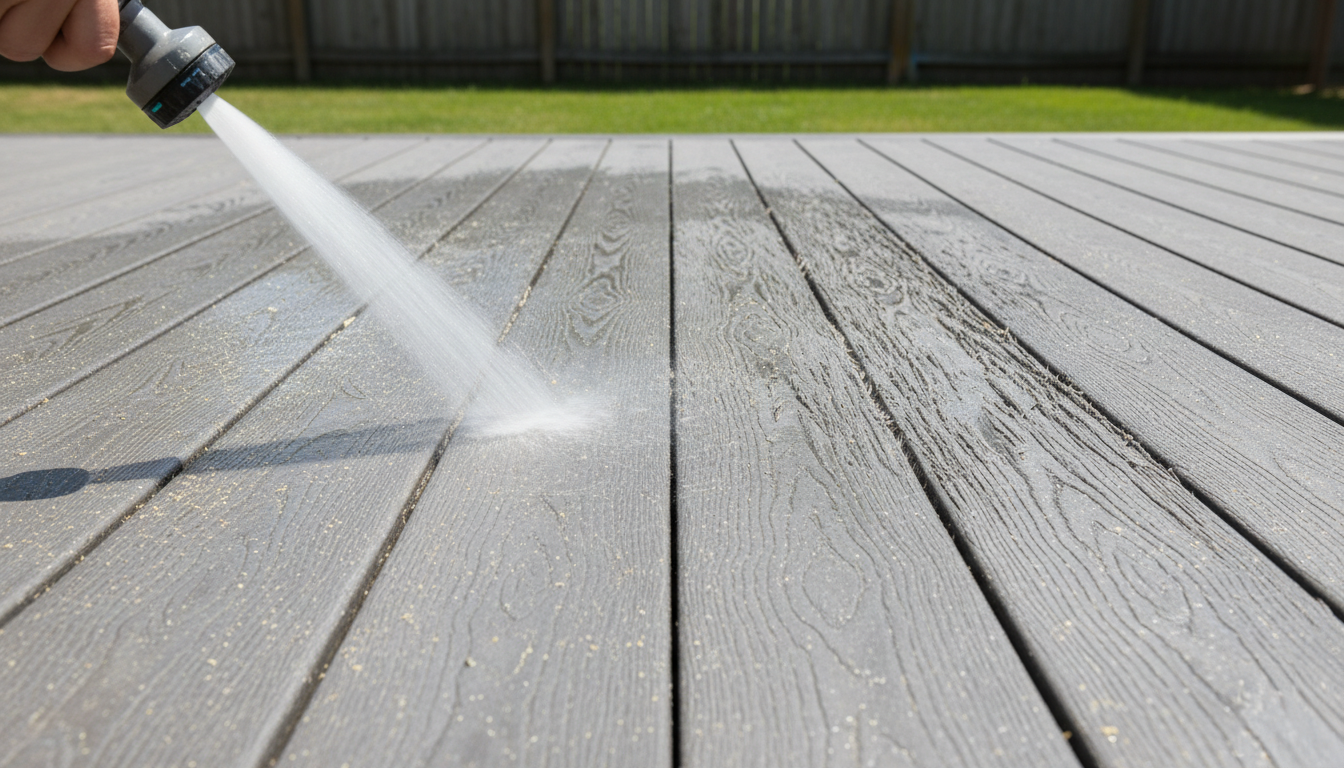
The success of any cleaning routine depends largely on using tools that work with the material rather than against it. Composite decking is designed to be durable, but its textured surface can be compromised by overly aggressive contact. Gentle tools are far more effective in the long run because they remove dirt while preserving the integrity of the boards.
Soft bristle brushes are well suited for general cleaning, as they lift debris from the surface texture without scratching. Microfiber cloths and non-abrasive sponges are useful for spot cleaning spills or areas that need a lighter touch. For rinsing, a standard garden hose with an adjustable spray setting usually provides enough pressure to wash away loosened residue without forcing water into the surface.
Cleaning Products and How to Choose Them
Many homeowners wonder whether special cleaning products are truly necessary for composite decking. The answer depends largely on how much residue has accumulated and how consistently the deck is maintained. A deck that is swept and rinsed regularly may only need mild solutions, while one exposed to heavy use or long gaps between cleanings may benefit from more targeted products.
A composite deck cleaner is formulated specifically to work with composite materials. These products are designed to break down common surface residue without compromising the texture or finish of the boards. They are particularly helpful for seasonal cleanings, spring refreshes, or decks that host frequent gatherings. When using these cleaners, following the manufacturer’s instructions closely is important, especially regarding dilution, dwell time, and rinsing.
For lighter, ongoing maintenance, a simple deck cleaning solution made with warm water and a small amount of gentle soap can be effective. This option works best when used regularly rather than as a fix for heavy buildup. Because mild solutions do not aggressively break down residue, they rely on consistency to keep the surface looking uniform. Thorough rinsing is essential with any cleaning method, as leftover product can attract dirt and make the deck look dull more quickly.
Choosing the right product is less about finding the strongest option and more about matching the cleaner to the condition of the deck. When used appropriately, both mild solutions and purpose made cleaners can support effective deck maintenance without unnecessary wear.
A Practical and Repeatable Cleaning Process
Cleaning composite decking does not need to be complicated or time-consuming to be effective. The goal is not to scrub the surface aggressively, but to remove accumulated residue in a way that protects the texture and finish of the boards. A consistent process makes each cleaning session more efficient and reduces the need for corrective work later.
Begin by removing furniture, planters, and other items from the deck. Sweeping thoroughly at this stage is important because it clears away loose debris that would otherwise spread during washing. Once the surface is clear, lightly wet the deck with a hose to loosen dirt and prepare the boards for cleaning. Apply the chosen cleaner in manageable sections so it does not dry before you have time to work it into the surface.
Use a soft bristle brush to scrub gently along the direction of the board texture rather than across it. This helps lift dirt from the grooves without damaging the surface. If the cleaner instructions recommend a short dwell time, allow it to sit briefly, but never let it dry on the decking. Rinse thoroughly with clean water, taking extra care around edges, seams, and textured areas where residue can collect.
After rinsing, allow the deck to air dry completely before returning furniture to its place. This step helps prevent trapped moisture and uneven surface appearance. Following this method consistently addresses most routine cleaning needs and plays an important role in long term deck maintenance by keeping the surface clean without unnecessary wear.
How Seasonal Changes Affect Cleaning Frequency
Composite decking responds differently throughout the year, and cleaning routines are most effective when they adjust to seasonal conditions rather than following a fixed schedule. Temperature, airborne debris, and how often the deck is used all influence how quickly residue builds up and how much attention the surface needs at any given time.
Spring typically calls for the most thorough cleaning. Residue from winter months combines with airborne debris that settles as temperatures rise. A deeper seasonal cleaning at this time helps restore the surface and prepares the deck for regular use. During summer, care is usually lighter and more frequent. Spot cleaning spills, rinsing away dust, and addressing high traffic areas after gatherings helps keep the deck looking consistent without extensive effort.
Fall cleaning focuses on removing leaves and organic debris before colder weather arrives. Clearing the surface and gaps between boards supports proper drainage and reduces the amount of residue left in place for extended periods. Winter care is less about washing and more about protection. Using appropriate tools for snow removal and avoiding harsh chemicals helps preserve the surface until regular cleaning resumes.
Addressing Stubborn Areas Without Damaging the Surface
Not all areas of a composite deck age at the same rate, and some sections naturally require more attention than others. Stubborn spots are usually the result of repeated use or localized exposure, rather than a failure of the decking material. Approaching these areas thoughtfully helps maintain a uniform appearance while avoiding unnecessary wear caused by overly aggressive cleaning methods.
High use zones and why they matter
Certain areas of a composite deck naturally experience more wear than others. Cooking zones, dining spaces, and entry points are exposed to more foot traffic, spills, and residue. Because these areas are used more frequently, they tend to show buildup sooner than quieter sections of the deck. Recognizing these high use zones helps homeowners focus attention where it is actually needed rather than overcleaning the entire surface.
The importance of acting early
Timing plays a major role in how easily residue can be removed. Fresh spills are far easier to clean than dried buildup that has settled into the surface texture. Addressing issues soon after they occur reduces the need for repeated cleaning cycles and helps preserve the original appearance of the boards. Regular spot cleaning in problem areas can prevent them from becoming visually different from the rest of the deck.
When extra effort is required
If a spot remains after a standard cleaning, it is best to repeat the process rather than applying more pressure or switching to harsher tools. Increasing force can damage the surface and create areas that collect dirt more easily in the future. A patient, methodical approach protects the decking material and supports a more consistent appearance over time.
Understanding surface texture differences
Composite decking surfaces are not uniform across every board. Variations in texture, embossing, or finish can influence how residue settles and how easily it lifts during cleaning. Being aware of these subtle differences helps explain why some spots require more attention than others, without indicating a problem with the material itself.
Using targeted cleaning instead of full deck scrubbing
Stubborn areas do not always require cleaning the entire deck. Targeted spot cleaning allows homeowners to focus on problem areas while minimizing wear on cleaner sections of the surface. This approach saves time and reduces unnecessary contact with areas that are already in good condition.
Knowing when to stop
One of the most important aspects of addressing stubborn areas is recognizing when additional cleaning will not improve the result. If a surface has been cleaned properly and residue remains minimal, further scrubbing may do more harm than good. Accepting minor variation as part of normal outdoor exposure helps protect the deck and maintain a balanced approach to deck maintenance.
Pressure Washing and Why Restraint Matters
Pressure washing is often viewed as a fast and effective solution for outdoor cleaning, but its role in composite decking care is frequently misunderstood. While pressure washing can be used carefully in certain situations, it is rarely necessary for routine maintenance and can do more harm than good if applied incorrectly. Composite boards are engineered to withstand outdoor exposure, but their textured surfaces are not designed to absorb repeated high force water impact without consequence.
When pressure washing is considered, restraint becomes essential. Low pressure settings combined with wide spray patterns help reduce the risk of surface damage. Holding the nozzle too close to the deck or using excessive pressure can permanently mark the boards, flatten surface texture, or create uneven areas that collect dirt more quickly. These changes may not be obvious immediately after cleaning, but they often reveal themselves over time as sections of the deck begin to look different or require more frequent attention.
Because of these risks, many professionals recommend reserving pressure washing for specific circumstances rather than treating it as a standard part of deck maintenance. Situations such as preparing a heavily soiled deck for restoration or addressing widespread residue after long periods of neglect may justify careful use. For most routine care, gentler methods like sweeping, light scrubbing, and thorough rinsing are more than sufficient. Over the long term, these approaches preserve the integrity of the surface and reduce the likelihood of avoidable wear, keeping composite decking easier to maintain and more consistent in appearance.

Cleaning as One Part of Overall Deck Maintenance
Cleaning is most effective when it is viewed as one component of a broader deck maintenance routine rather than a standalone task. While regular washing keeps the surface looking clean, it does not address structural or environmental factors that also influence how a deck ages. Taking a more complete approach helps prevent small issues from developing into larger concerns over time.
Routine inspections play an important role in this process. Checking for loose fasteners, shifting boards, or signs of drainage problems allows homeowners to address concerns early, often with minimal effort. Keeping the gaps between boards clear is equally important, as it supports proper water runoff and reduces the amount of moisture that remains on the surface after rain.
The surrounding environment also affects deck performance. Managing nearby vegetation improves airflow and allows more sunlight to reach the surface, helping the deck dry more evenly. When these practices are combined with consistent cleaning, they support a deck that performs reliably and maintains a more uniform appearance throughout the year.
When Professional Cleaning Makes Sense
There are times when professional cleaning becomes a practical option rather than an extra step. Large decks, multi level layouts, or surfaces that have not been cleaned consistently over several years can be more challenging to address with standard household tools. In these cases, an experienced assessment helps ensure the deck is cleaned thoroughly without risking surface damage.
Professionals begin by evaluating the type of composite material, the current condition of the surface, and the surrounding environment. Factors such as shade, drainage, and usage patterns all influence which methods are appropriate. This tailored approach reduces the likelihood of overcleaning or using tools that are not suited to the decking.
When considering professional help, asking for a custom quote allows homeowners to understand what affects the scope of work. Rather than paying for unnecessary services, this process clarifies what the deck actually needs based on its size, condition, and exposure.
A Long Term Perspective on Composite Deck Care
Understanding how to clean composite decking is less about discovering a single ideal product or technique and more about developing an approach that aligns with how the material actually performs outdoors. Composite boards are designed to handle exposure, but they still respond to their surroundings. Sunlight, moisture, foot traffic, and seasonal debris all influence how the surface looks and feels over time. Responding consistently to those influences is what makes the difference between a deck that ages evenly and one that slowly loses its uniform appearance.
Routine habits play a central role in this process. Light, regular cleaning prevents residue from becoming established and reduces the need for aggressive methods later. Using appropriate tools protects the surface texture, while realistic expectations help homeowners recognize that gradual change is normal and manageable, rather than a sign of failure. When these habits are paired with thoughtful deck maintenance such as inspections, drainage awareness, and vegetation management, composite decking remains a comfortable and dependable outdoor surface.
Taking a long term view shifts the focus away from quick fixes and toward sustainable care. With consistency and attention, composite decking continues to function as an inviting extension of the home, supporting everyday use and seasonal enjoyment for many years to come.